.webp)


Home
The Cost of Cold Air and How HVAC Affects Your Home Value
Why HVAC Condition Is One of the Most Expensive Things Homeowners Overlook Before an Appraisal
How HVAC condition affects home appraisals is one of the most financially significant factors a homeowner can overlook — and the consequences show up fast. A failing or aging system can quietly shave $5,000 to $10,000 off your appraised value. A missing central air system in a neighborhood where buyers expect it can trigger an additional $5,000 to $8,000 penalty. And if you're applying for a HELOC or refinancing, a lower appraisal means less equity to borrow against.
Here's a quick breakdown of how HVAC condition typically affects appraised value:
| HVAC Condition | Typical Appraisal Impact |
|---|---|
| New or high-efficiency system (under 10 years) | +5% to +7% value increase |
| Well-maintained system (10-15 years) | Neutral to slightly positive |
| Aging system (15-20 years) | -$3,000 to -$6,000 adjustment |
| Failing or non-functional system | -$5,000 to -$10,000 or more |
| Missing central air (where expected) | -$5,000 to -$8,000 functional obsolescence penalty |
| High-efficiency upgrade (SEER2 18+, AFUE 95%+) | +$1,000 to +$2,000 positive adjustment |
Most homeowners think about kitchens and bathrooms when they want to boost their home's value. But HVAC is a core system — appraisers evaluate it right alongside your roof, plumbing, and electrical. The difference is that a dated countertop won't fail an FHA inspection. A broken furnace can.
In this guide, we'll walk you through exactly what appraisers look for, which red flags hurt your value the most, and what steps you can take before the appraiser arrives to protect your equity.

Similar topics to how hvac condition affects home appraisals:
- does a new hvac help sell your home faster
- how a new hvac system increases home value
- hvac replacement return on investment
How HVAC Condition Affects Home Appraisals: The Appraiser's Checklist
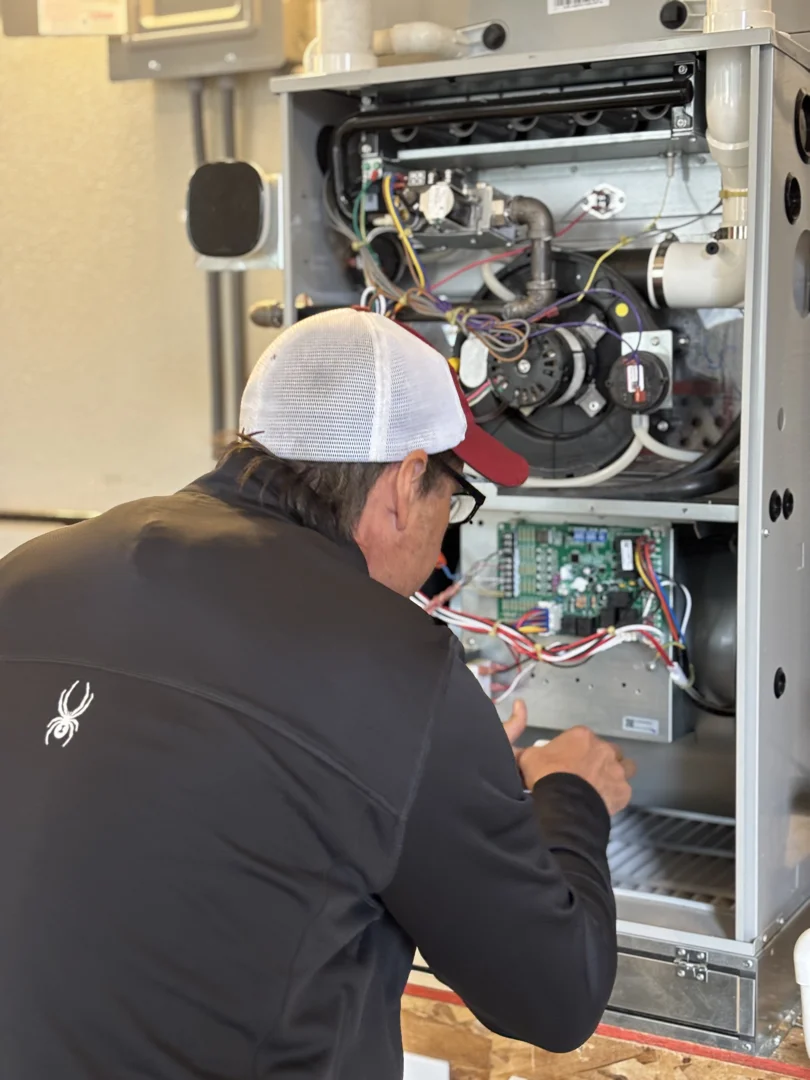
When an appraiser steps into your home in Overland Park, Olathe, or Shawnee, they are not there to perform a comprehensive mechanical diagnostic. They won't pull out specialized gauges or measure refrigerant levels. Instead, they evaluate your heating and cooling equipment through the lenses of physical condition and functional utility, as outlined by the Uniform Residential Appraisal Report (URAR).
Lenders rely on the appraiser to verify that the home is safe, sound, structurally secure, and comfortable to live in year-round. Because the Kansas City climate swings wildly from freezing, snow-packed winters to scorching, humid summers, a reliable HVAC system is considered a baseline requirement for habitability.
To help you visualize how an appraiser views your system's state, we have put together a comparison table of condition ratings and their typical appraisal consequences:
| Appraiser Condition Category | What the Appraiser Sees | Impact on Home Valuation |
|---|---|---|
| Excellent / Like-New | System is under 5-10 years old, clean, quiet, and highly efficient. Documentation is readily available. | Positive adjustment; supports a higher overall property condition rating. |
| Good / Average | System is 10-15 years old, fully functional, with a clean cabinet and clear evidence of regular maintenance. | Neutral; matches neighborhood standards with no value deductions. |
| Fair / Deferred Maintenance | System is 15-20+ years old, showing heavy wear, rust, or loud operation. No service records. | Negative adjustment; treated as a pending financial liability for the future buyer. |
| Poor / Non-Functional | System fails to turn on, does not heat/cool, or poses safety hazards (e.g., cracked heat exchanger). | Severe negative adjustment; can stall loan approvals and require immediate repair. |
Understanding How HVAC Condition Affects Home Appraisals During the Walkthrough
During the physical walkthrough, the appraiser will conduct a straightforward visual inspection. They will locate your indoor air handler or furnace, your outdoor condenser unit, and your thermostat.
They will perform a basic operational test: turning on the system via the thermostat to verify that it responds immediately and blows air at an appropriate temperature. They will also note the system type—whether it is a standard central split system, a modern heat pump, or if the home relies on window units and space heaters.
Assessing System Age and Remaining Useful Life (RUL)
One of the most critical metrics an appraiser calculates is the system's Remaining Useful Life (RUL). To do this, they look at the manufacturer data plate on your equipment to find the serial number. Appraisers use industry databases to decode these serial numbers, verifying the exact month and year the unit was manufactured.
If your system's chronological age is high, but it has been meticulously maintained, its "effective age" may be rated much lower. Conversely, a neglected system will have a high effective age, signaling to the lender that a costly replacement is right around the corner. If you are wondering where your current setup stands, you can learn more about assessing your system's lifespan in our guide on How Old Is Too Old for an HVAC System.
Critical HVAC Red Flags That Can Lower Your Property Valuation
If an appraiser flags your heating and cooling system for deferred maintenance, the financial penalties can be harsh. These flags tell the lender that the home has unresolved physical deficiencies, which can lower your overall property condition rating and reduce your borrowing power.
Understanding these risks is essential, especially when deciding whether it is time to take action. You can read about the warning signs in our article on Signs Your HVAC Needs Replacing Not Just Fixing.

Outdated Refrigerants and Obsolete Systems
If your outdoor air conditioning unit was manufactured before 2010, there is a very high chance it runs on R-22 refrigerant (commonly known as Freon). Because the EPA has completely phased out the production and import of R-22, servicing these older units has become incredibly difficult and expensive.
Appraisers are well aware of this phase-out. When they spot an R-22 system, they often treat it as having zero remaining useful life, regardless of whether it is currently blowing cold air. This obsolete setup is viewed as an immediate replacement liability for any prospective buyer, which translates directly into a downward adjustment on your home's valuation.
If you find yourself in this situation, it is worth exploring the details in our analysis of Is a 12 to 15 Year Old AC Worth Repairing in a Hot Kansas City Climate.
Deferred Maintenance and Visible Wear
First impressions matter, even to home appraisers. When an appraiser sees a rusted metal cabinet, heavily corroded copper lines, or a thick layer of dust and debris clogging the outdoor condenser fins, they immediately assume the system has been neglected.
A choked, dirty air filter is another classic red flag. While a dirty filter is simple to swap out, it acts as a "canary in the coal mine" for the appraiser, suggesting that other critical systems in the house have been similarly ignored. This visible wear indicates restricted airflow, which strains the compressor and shortens the equipment's lifespan.
To help weigh your options when dealing with a worn system, refer to our guide on When to Repair vs Replace Your HVAC System.
Functional Obsolescence and Missing Central Air
In the competitive Kansas City real estate market, central air conditioning is a standard neighborhood expectation. If your home relies on window air conditioners while all the comparable properties in your neighborhood have fully integrated central HVAC, appraisers will penalize your home for "functional obsolescence."
Window units are classified as personal property because they can be easily unplugged and removed when a owner moves out. They do not add permanent value to the real estate. Relying on them in a market where central climate control is expected can result in an automatic value deduction of $5,000 to $8,000.
Additionally, if you have built a home addition but failed to upgrade your HVAC system to handle the extra square footage, the appraiser will flag the system as inadequate. For more on how system capacity impacts performance and value, check out our article on Why Correct System Sizing Matters for Your Home.
Strategic Upgrades: How a New HVAC System Increases Home Value
While keeping an older system running protects you from negative adjustments, upgrading to a modern, high-efficiency system is a powerful way to actively build equity and increase your home's marketability. According to real estate data, homes with brand-new heating and cooling systems sell up to 10% to 15% faster because buyers love the peace of mind that comes with knowing they won't face a major mechanical failure after moving in.
Investing in a new system acts as a reliable equity safeguard. While it rarely returns 100% of its installation cost in the appraisal alone, a standard replacement typically recoups 40% to 60% of its cost in direct, added home value.
When you combine that immediate appraisal bump with years of lower utility bills and faster sales times, upgrading becomes one of the smartest long-term investments you can make. To explore this further, read our detailed breakdowns on How a New HVAC System Increases Home Value and the overall HVAC Replacement Return on Investment.
Energy Efficiency Ratings and Appraisal Adjustments
If you decide to upgrade, choosing high-efficiency equipment can justify additional positive adjustments on your appraisal report. Appraisers look closely at specific efficiency metrics, including:
- SEER2 (Seasonal Energy Efficiency Ratio): Measures cooling efficiency.
- AFUE (Annual Fuel Utilization Efficiency): Measures how efficiently a furnace converts fuel into heat.
- HSPF2 (Heating Seasonal Performance Factor): Measures heat pump heating efficiency.
A premium, high-efficiency system (such as an 18+ SEER2 air conditioner or a 95%+ AFUE furnace) can earn a positive adjustment of $1,000 to $2,000 above a standard replacement system. These systems often carry the ENERGY STAR label, which appraisers use to verify that the home will have substantially lower monthly operating costs.
To see how these efficiency tiers compare and what they can save you, read our resources on how Modern Air Conditioners Increase Energy Savings, our Standard vs High Efficiency HVAC Comparison, and our guide on How Much Does a High Efficiency System Save.
How HVAC Condition Affects Home Appraisals for HELOCs and Refinancing
If you are planning to apply for a Home Equity Line of Credit (HELOC) or refinance your existing mortgage, the condition of your HVAC system is incredibly important. Lenders use the appraised value of your home to calculate your Loan-to-Value (LTV) ratio, which determines exactly how much money you are allowed to borrow.
A failing or obsolete HVAC system can easily trigger a $5,000 to $10,000 deduction for deferred maintenance. This drop in your home's appraised value directly reduces your available equity, which can lower your borrowing limit or even cause your refinance application to be denied if your LTV ratio climbs too high.
Maintaining or upgrading your system before applying for a loan is a vital way to protect your equity and maximize your financial flexibility. For more information on protecting your equity, you can read about the HVAC Impact on HELOC Appraisal: Protect Your Home Equity.
Preparing Your Heating and Cooling System Before the Appraiser Arrives
You wouldn't leave dirty dishes in the sink or mud on the carpets before an appraiser walks through your home. Similarly, you shouldn't leave your HVAC system looking neglected. Taking a few proactive steps to prepare your heating and cooling equipment can build appraiser confidence, provide solid operational proof, and help secure a higher overall property condition rating.
Creating an HVAC Documentation Portfolio
Do not rely on a quick verbal explanation to tell the appraiser about your system's history. Instead, put together a professional "HVAC Portfolio" and hand it directly to them during the walkthrough. This physical or digital folder should contain:
- Installation Invoices: Showing the exact date of installation and the licensed contractor who did the work.
- Municipal Permits: Proving that the system was legally installed and meets all local building codes.
- Warranty Documentation: Highlighting any transferable parts or compressor warranties that add value for future buyers.
- Service History Logs: Documenting regular, professional maintenance visits and safety inspections.
- Efficiency Labels: Highlighting SEER2, AFUE, or ENERGY STAR ratings.
Having this paperwork ready makes the appraiser's job much easier and ensures you get full credit for your investments. As noted in Why Your HVAC System Matters More Than You Think, providing clear documentation prevents appraisers from making conservative guesses about your equipment's age or condition.
Pre-Appraisal Maintenance and Quick Fixes
Before the appraiser arrives, spend thirty minutes performing these quick, low-cost preparation steps:
- Replace the Air Filter: Put in a fresh, clean air filter. This simple step shows the appraiser that you take care of your home's internal systems.
- Clear the Outdoor Unit: Trim back bushes, weeds, and tree branches. Ensure there is at least two feet of clear space around your outdoor condenser unit, and sweep away any leaves or grass clippings.
- Clean the Cabinets: Wipe down the indoor furnace cabinet and the outdoor condenser to remove dust, cobwebs, and dirt. A clean system naturally looks newer and better maintained.
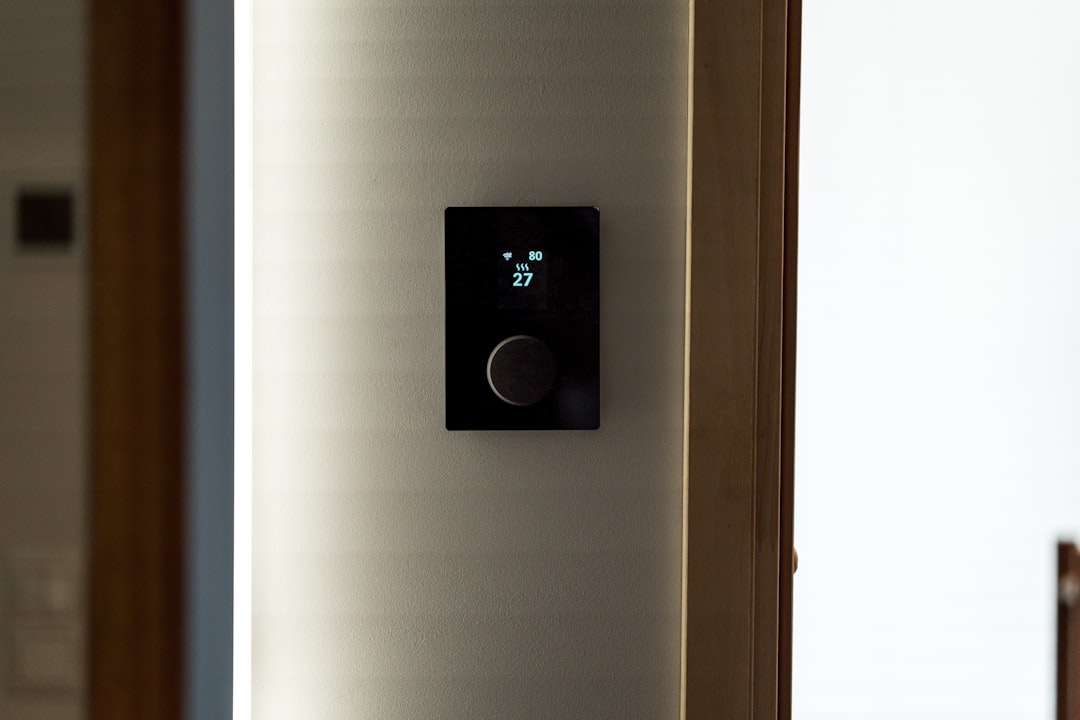
- Test the Thermostat: Make sure your thermostat is working properly and has fresh batteries if needed. Set your home to a comfortable temperature so the appraiser immediately feels that the climate control is highly effective.
Frequently Asked Questions About HVAC and Appraisals
Can a non-functional HVAC system cause a loan denial?
Yes, absolutely—especially if you or your buyer are using government-backed loans such as FHA, VA, or USDA mortgages. These programs have strict "Minimum Property Standards" regarding safety, soundness, and security.
Under these guidelines, a home must have a safe, reliable, and permanently installed heating source capable of keeping the living spaces habitable during freezing winter months. If the primary heating system is broken or deemed unsafe (such as a furnace with a cracked heat exchanger), the appraiser will flag it as a safety hazard.
The lender will typically halt the loan approval process and require the system to be repaired or replaced by a licensed professional before the loan can close. You can read more about these common hurdles in How HVAC Condition Affects Home Appraisals: Top 5 Risks.
How old does an HVAC system need to be before it hurts my appraisal?
Generally, once a heating and cooling system crosses the 15-year mark, appraisers begin viewing it as a financial liability rather than an asset. Standard air conditioners and heat pumps have an average useful lifespan of 15 to 20 years, while well-maintained furnaces can sometimes last 20 to 25 years.
However, effective age matters much more than chronological age. A system that is 16 years old but has a documented history of annual professional tune-ups, a clean cabinet, and a brand-new blower motor may receive a neutral rating. On the other hand, a neglected 10-year-old system with no service history and visible corrosion can easily trigger a downward adjustment.
Is getting my HVAC serviced before an appraisal worth it?
Yes, it is one of the most cost-effective moves you can make before an appraisal. Having a licensed technician perform a professional tune-up right before the appraiser's visit provides immediate "operational proof" that the system is running safely and efficiently.
The technician will place a fresh service sticker directly on your equipment, which immediately catches the appraiser's eye and demonstrates responsible homeownership. This small step builds trust and can elevate the appraiser's overall rating of your home's physical condition.
Conclusion
Your heating and cooling system is the mechanical heart of your home, and keeping it in top shape is essential for protecting your property value. Whether you are preparing to sell, refinancing your mortgage, or tapping into your equity with a HELOC, understanding how hvac condition affects home appraisals helps you make smart, proactive decisions that keep your equity right where it belongs: in your pocket.
For homeowners across Johnson County and the surrounding Kansas City communities, we are here to help you prepare your home for a successful appraisal. From professional maintenance tune-ups that keep your older system running perfectly to installing energy-efficient upgrades that build immediate home equity, our team delivers prompt, honest, and professional service at affordable prices.
Don't let an aging or neglected HVAC system quietly lower your home's value. Contact us today to schedule a professional system evaluation, or find More info about our HVAC services to make sure your home is ready to pass any appraisal with flying colors!
Recent Posts
Customer Testimonials
See what our happy customers have to say!

Mike and his apprentice always do excellent work. Prompt, efficient, honest and dependable. I recommend without qualification!
I own several rental homes throughout Johnson County and exclusively use Delta T to service and install at all my properties and my personal residence. Have referred them to several friends, family and coworkers without hesitation. Professional, efficient and always come through with high quality work at an affordable price.
We were very pleased with Adam and the crew. We found them knowledgeable, professional and competitive in price and we’re happy to recommend them.
Good experience with Delta T Heating & Cooling. Service Tech Garrett was on time, professional, and personable.
After getting several estimates and talking with 3 other companies, it was clear Delta T was the right company to replace our aging furnace and AC unit. They offered a very competitive price but what really impressed me was Adam’s knowledge, attention to detail and desire to make sure the installation was perfect. I highly recommend these guys, you won’t be disappointed.
They were great! Garrett the technician was very nice and thorough. I was able to make an appointment quickly, and their prices were reasonable!
I was so impressed With Delta T Heating & Cooling. They were a phenomenal company to work with and I will continue to use them! Thank you so much to Adam for taking care of our AC!
Great service. They gave me 3 options for my house. Explained the differences and installed a great system. They did great work at a great price. Love the new HVAC.
Greatest crew! Very knowledgeable, and were QUICK to get my issue resolved-Thank you Adam, for getting me scheduled so quick-and thank you Mike & Garrett for your expertise and quick resolve
Delta T is my “go-to” HVAC service company. Always very prompt and extremely reasonable on price. You will be glad you called Delta T.
Every interaction with Delta T has been very positive and helpful! Mike went goes and beyond to help explain things & the maintenance plan has been very beneficial for us! Highly recommend!
Delta T has provided service for my HVAC system and water heaters at multiple properties for the last 4 years. Quick service, good communication, fair prices. I trust them implicitly.
The tech came and checked our heating system, got it all ready for winter, and explained everything I needed to know, for a reasonable price. Bonus, he also explained 2 or 3 ways why upgrades wouldn’t be necessary, and how to prolong the life of the system. Will definitely continue to use them.
They fit me in their schedule pretty late at night. Theres a storm coming and they were understanding and fixed my issue quickly. I purchased their program to have them come out annually now. Thank you guys!
Mike Jeanneret was our repairman and he thoroughly explained everything he was doing and why he was doing it. He didn’t charge us for anything we didn’t need and I feel confident that he was honest with his work. Would recommend to anyone!
I’ve used Delta for several years both at both my personal residence and my work building. They have always responded quickly and efficiently. I’ve been so happy with their service and never trust anyone else
Mike is absolutely the best! Honest, kind and very professional. I've dealt with a few other companies before going with Delta T....it was like night and day! So refreshing to deal with an honest and affordable company. Thank you so much!!!
Punctual, courteous, prompt & reliable service - the perfect recipe for great service! Highly recommend to others!
Mike Jeanneret was/is absolutely fantastic He spent as much time as necessary, and then a bit more to explain everything that he did and all the ins and outs of our system. We use DeltaT for yearly maintenance, and could not be happier. Highly recommend Mike and DeltaT
Efficient, knowledgeable, reasonably priced. Garrett and Daniel were very helpful and were fantastic at explaining things to me. Highly recommend.


Blogs
Stay updated with our latest blog posts.