.webp)


Home
Storm Proofing 101: How Severe Weather and Tornadoes Impact Your AC

What Severe Storms and Tornadoes Actually Do to Your HVAC System
How severe storms and tornadoes affect your HVAC is something every Johnson County homeowner needs to understand before the next round of severe weather rolls through. Kansas City sits squarely in one of the most storm-active corridors in the country, and your outdoor AC unit is one of the most exposed pieces of equipment on your entire property.
Here is a quick breakdown of the main ways storms damage HVAC systems:
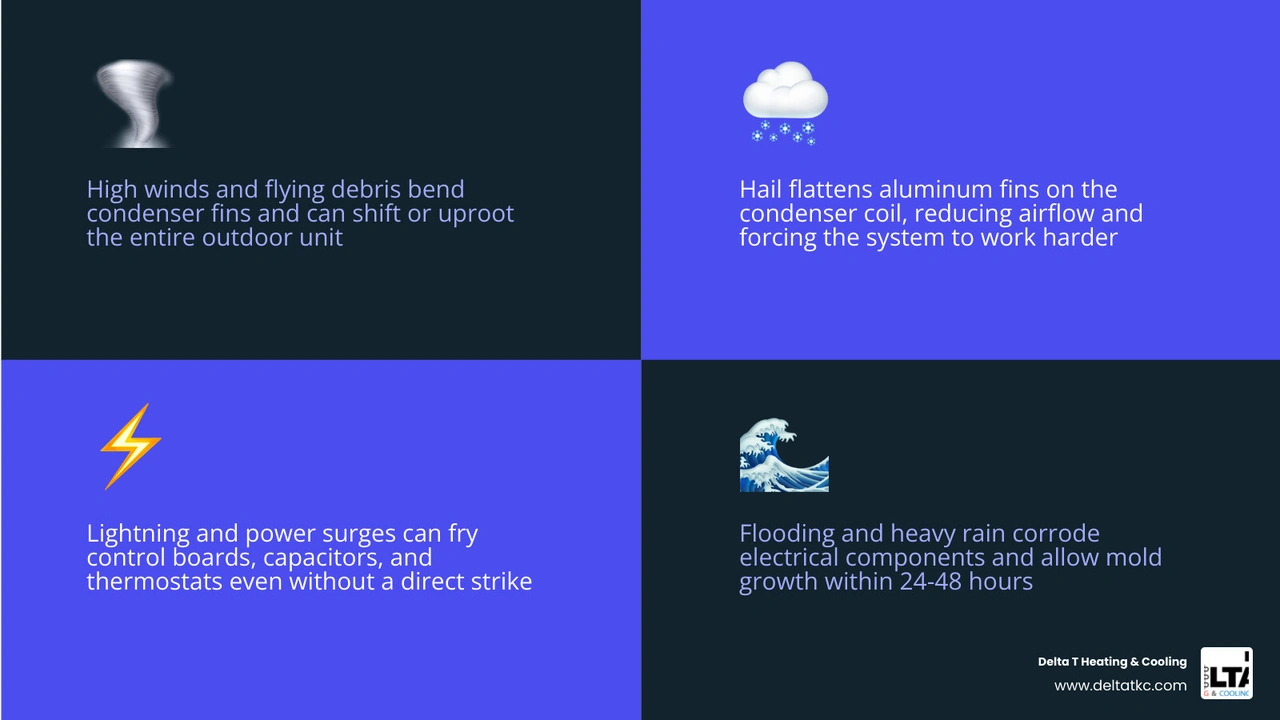
- High winds and flying debris bend condenser fins, damage fan blades, and can shift or uproot the entire outdoor unit
- Hail flattens the aluminum fins on your condenser coil, reducing airflow and forcing your system to work harder
- Flooding and heavy rain corrode electrical components, saturate insulation, and can allow mold to begin growing within 24 to 48 hours
- Lightning and power surges fry control boards, capacitors, and thermostats — even without a direct strike
- Rapid pressure changes from tornadoes can pull ductwork apart at the seams and disrupt your home's airflow balance
The frustrating part? A unit that still turns on after a storm is not necessarily working correctly. Damage is often hidden, and running a compromised system can turn a simple repair into a full replacement.
This guide walks you through exactly what happens, how to protect your system before a storm hits, and what to check after the skies clear.
Physical Destruction: How Severe Storms and Tornadoes Affect Your HVAC Condenser
When severe weather sirens sound in Overland Park, Olathe, or Shawnee, our immediate focus is rightfully on personal safety. But once the storm passes, the structural toll becomes clear. The outdoor condenser unit—the metal box sitting on a concrete pad next to your home—is highly vulnerable to physical destruction.
Tornadoes and severe thunderstorms generate straight-line winds that frequently exceed 60 to 80 mph in the Kansas City metro. Winds of this velocity carry immense physical force. They can easily shift a heavy metal condenser unit off its concrete foundation. Even a slight movement of just a few inches can shear or crack the copper refrigerant lines connecting your outdoor unit to your indoor evaporator coil. When these lines break, refrigerant rapidly escapes, rendering your system unable to cool your home and potentially destroying the compressor if the system continues to run.
Furthermore, violent storms can completely uproot trees or snap massive branches, turning them into heavy projectiles. If a large limb falls directly onto your condenser, it can crush the top grille, bend the internal fan motor shaft, and dent the heavy steel cabinet. For real-world context on how quickly these storms escalate, you can read about the Tornado damage in Kansas City metro to see the sheer scale of structural destruction these events cause. To better understand how our local climate places unique year-round stress on your home comfort systems, explore our guide on How Kansas City climate affects your HVAC and plumbing.
Wind-Driven Debris and Airflow Obstruction
Even if a tornado doesn't drop a tree branch directly onto your unit, high winds carry smaller debris—leaves, twigs, grass clippings, mulch, and shingles—and drive them deep into the condenser cabinet. Your outdoor unit relies on a constant, unrestricted flow of air pulled through its sides and pushed out the top to release the heat extracted from inside your home.
When wind-driven debris packs into the delicate aluminum fins, it creates a severe coil blockage. This airflow restriction acts like an insulating blanket over the coils. Because the heat cannot escape, the system's heat transfer efficiency plummets. To compensate, your air conditioner must work much harder. In fact, low airflow or incorrect refrigerant levels from storm-induced leaks mean your AC must run 30% to 50% longer to cool your home, driving up your energy bills and accelerating wear on the compressor. For a broader look at how modern systems are engineered to withstand these harsh atmospheric conditions, you can read about Tornadoes of 2025 and HVAC resilience.
Hail Damage and Condenser Fin Flattening
Hail is another frequent visitor to Johnson County during spring and summer storms. Ranging from pea-sized to golf-ball-sized, these icy projectiles strike your outdoor unit with incredible velocity. The outer walls of your condenser are lined with hundreds of ultra-thin aluminum fins designed to maximize the surface area for heat dissipation.
When hail strikes these fins, it easily bends and flattens them.
Flattened fins completely block the air channels between the coils, choking the system's ability to breathe. To evaluate the severity of hail damage, technicians often refer to the 30% rule: if more than 30% of the condenser fin surface area is flattened or dented, the heat transfer capacity is so severely compromised that straightening them with a fin comb is no longer practical. In these cases, a full coil replacement or a complete system upgrade is usually the most reliable and energy-efficient path forward.
Water Intrusion, Flooding, and Electrical Risks
Heavy rain is a given during Midwest storms, but when a storm stalls or a tornado brings torrential downpours, flash flooding becomes a major threat in low-lying areas of Lenexa, Leawood, and Prairie Village. While outdoor AC units are designed to withstand normal rainfall, they are absolutely not designed to be submerged.
If floodwater rises high enough to submerge the lower half of your condenser, it introduces silt, mud, and chemical-laden water into the sealed electrical compartments. This leads to immediate electrical shorts and initiates long-term corrosion on the fan motor bearings, wiring harnesses, and contactors. Furthermore, standing water inside or around your home's foundation can quickly migrate to your indoor HVAC components. If moisture saturates the insulation inside your furnace cabinet or ductwork, mold can begin to colonize within 24 to 48 hours of the flood event. Ignoring these moisture issues can lead to serious indoor air quality hazards. To understand the long-term consequences of leaving these issues unaddressed, check out our article on What happens if you skip HVAC maintenance.
Electrical Surges and Lightning Strikes
Lightning does not need to strike your home directly to cause catastrophic damage. A nearby strike to a utility pole or the ground can send a massive voltage spike traveling through power lines straight into your home's electrical panel.
Modern air conditioners are highly efficient, but that efficiency relies on sensitive electronic control boards, microprocessors, and capacitors. These components have very low tolerance for voltage fluctuations.
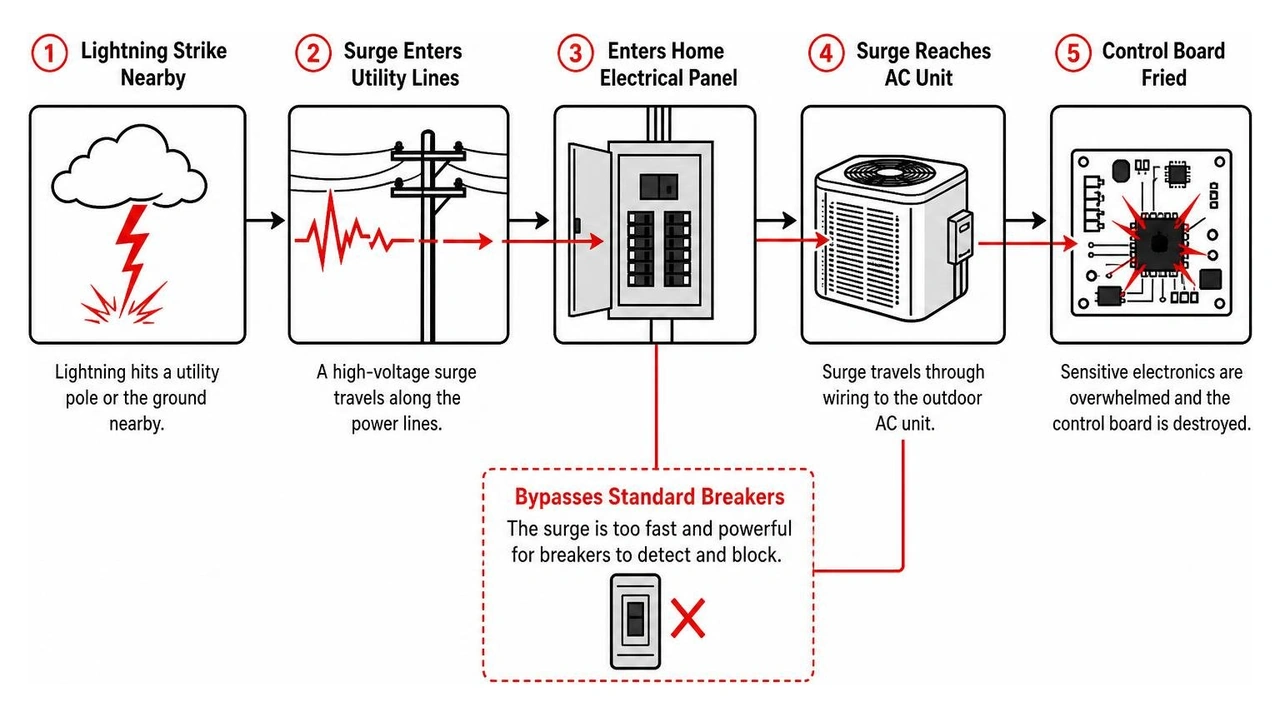
Did you know that nearly 90% of electrical AC issues happen when a unit is left running during a major storm? When the system is actively drawing power during a storm, a sudden surge or a rapid succession of power flickers (brownouts) can instantly fry the compressor's start capacitor or burn out the main control board. This leaves you with a completely unresponsive system right when high humidity levels return after the storm. If you find yourself dealing with an unresponsive system after a severe weather event, refer to our practical Emergency HVAC repair tips for Kansas City metro homeowners to safely navigate the recovery process.
How Severe Storms and Tornadoes Affect Your HVAC Airflow and Pressure
Tornadoes are famous for causing extreme, rapid drops in atmospheric pressure. There is a persistent, decades-old myth that homeowners should open their windows during a tornado to equalize the pressure inside the house and prevent it from "exploding."
This is not only dangerous, but it is also completely false. Opening windows allows high-velocity, debris-laden winds directly into your living spaces, which actually increases the risk of structural roof failure.
From an HVAC perspective, opening windows during a severe storm completely disrupts your home's sealed envelope and airflow patterns. The sudden influx of high-pressure wind and extreme humidity forces your ductwork to experience intense physical stress. In some cases, the rapid pressure fluctuations during a nearby tornado can actually pull older, poorly secured ductwork apart at the seams. Considering that leaky ducts can already waste 20% to 30% of your conditioned air before it ever reaches your living spaces, storm-damaged seams will permanently cripple your system's efficiency and airflow balance until they are professionally sealed.
Proactive Protection: How to Prepare Your HVAC Before the Storm
The best way to minimize the impact of severe storms on your heating and cooling system is to take proactive steps before the dark clouds roll in. By storm-proofing your property, you can prevent minor issues from turning into major, expensive headaches.
Here is a quick pre-storm checklist every homeowner should follow:
- Trim surrounding vegetation: Keep trees pruned and remove dead or weak limbs within 20 feet of your outdoor unit. Maintain a clear space of at least 18 to 24 inches around the condenser to ensure proper airflow and prevent branches from scraping the cabinet.
- Secure loose yard items: Before a storm hits, bring patio furniture, lawn ornaments, toys, and hanging plants inside. In high winds, these common yard items easily turn into dangerous projectiles that can crush your AC.
- Install dedicated surge protection: Have a professional install an HVAC-grade surge protector directly at your outdoor electrical disconnect box. This acts as a shield, absorbing massive voltage spikes before they can reach your unit's sensitive control boards.
- Anchor the unit: Ensure your condenser is securely fastened to its concrete pad using heavy-duty, wind-rated tie-down straps or hurricane brackets. This prevents the unit from shifting or tipping over in high-wind environments.
Taking these preventive measures is a core part of protecting your home investment. For more details on safeguarding your comfort systems, read our comprehensive guide on How to prevent HVAC emergencies with maintenance.
How Severe Storms and Tornadoes Affect Your HVAC Maintenance Routine
Integrating storm preparedness into your regular seasonal maintenance routine is incredibly smart. When we perform spring AC tune-ups, we don't just clean the coils; we also inspect the physical stability of the system.
For homeowners in storm-prone areas of Kansas City, we highly recommend professional "storm hardening" upgrades:
- Heavy-duty hail guards: These metal mesh shields install over your condenser's exterior walls, absorbing the impact of hail while allowing completely unrestricted airflow.
- Elevated equipment pads: If your yard has poor drainage or is prone to pooling water during heavy rains, elevating your condenser on a taller concrete or composite pad keeps the sensitive electrical components safely above the flood line.
If you skip these protective measures, a sudden storm can catch you completely off guard. When that happens, knowing what immediate steps to take can save your equipment from total failure. Learn more about managing these situations by reading What to do when your HVAC breaks down unexpectedly.
Post-Storm Recovery: Inspection and Safety Steps
Once a severe storm has passed and it is safe to go outside, you should perform a careful visual inspection of your outdoor AC unit before turning the system back on.
Follow these safety and inspection steps:
- Check for a shifted or tilted pad: Ensure the concrete pad is level and the condenser hasn't slid or tilted, which puts extreme stress on the copper refrigerant lines.
- Look for fan obstructions: Peer through the top grille to make sure no twigs, leaves, or shingles are lodged in the fan blades. If the fan tries to spin with an obstruction, it can burn out the motor instantly.
- Inspect electrical connections: Look for loose, frayed, or exposed wires leading from the house disconnect box to the unit. If you see any damage, do not touch the unit.
- Practice the 3-minute restart rule: If your power flickered or went out entirely during the storm, do not turn your AC back on immediately when the grid stabilizes. Wait at least 3 to 5 minutes. This allows the refrigerant pressures in the system to equalize, preventing the compressor from starting under a heavy load, which can trip your breaker or damage the motor.
To help you understand what you can safely handle yourself versus when you need to keep your hands off and call in the pros, we've put together this quick comparison table:
| Safe DIY Post-Storm Checks | Requires Professional HVAC Inspection |
|---|---|
| Visually checking for dents, tilting, or shifted pads | Straightening flattened condenser fins |
| Clearing loose leaves and twigs from the exterior cabinet | Testing for refrigerant leaks using electronic detectors |
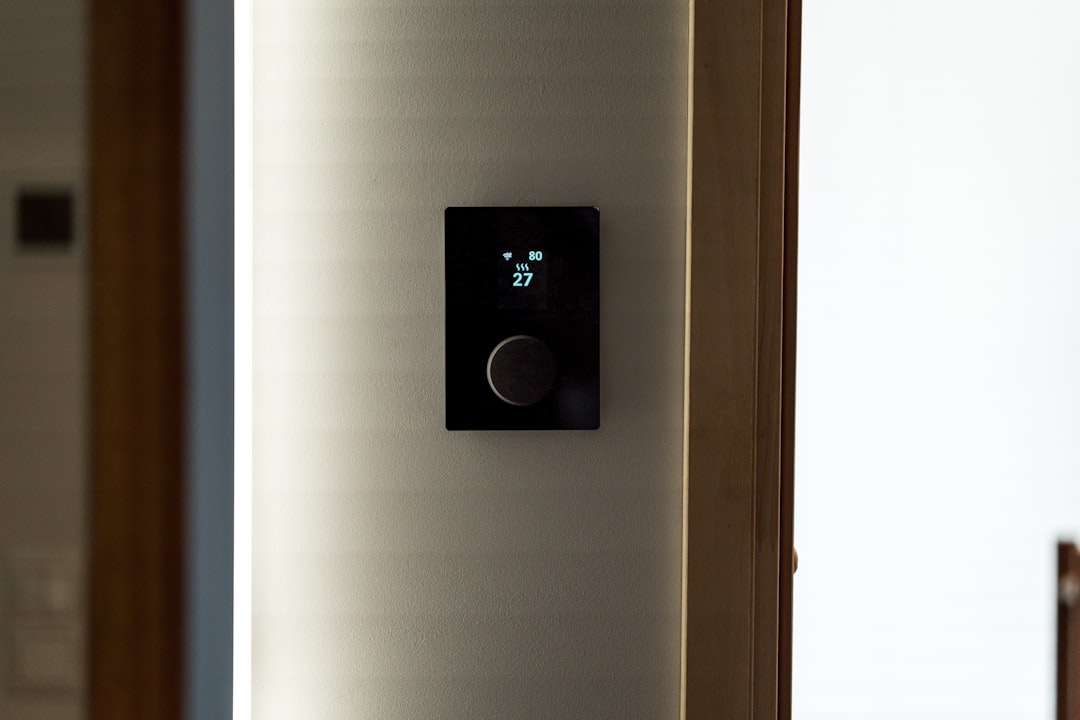
| Checking the indoor thermostat for power and error codes | Inspecting and replacing burnt electrical control boards |
| Verifying if the main AC circuit breaker has tripped | Testing fan motor windings and compressor capacitors |
| Checking for standing water around the unit pad | Disinfecting and drying out submerged electrical components |
Identifying Hidden Damage and When to Call a Professional
Some storm damage is incredibly subtle. Your system might turn on and blow cool air, but hidden issues could be quietly destroying your equipment. If you notice any of the following red flags, shut the system down at the thermostat and the breaker immediately:
- Unusual noises: Loud rattling, screeching, or heavy vibration indicates a bent fan blade, loose component, or failing compressor motor.
- Burning smells: A distinct electrical burning odor indicates a short circuit, fried capacitor, or scorched wire insulation.
- Frozen coils: If the outdoor coils or the indoor refrigerant lines begin to ice over, it indicates a severe airflow restriction or a refrigerant leak caused by storm physical damage.
If you experience any of these symptoms, it is critical to seek professional assistance. To learn more about what our team does during an emergency visit, read about Emergency HVAC repair: what to expect. If you are trying to determine whether your system's current state poses an immediate safety hazard, consult our guide on When an HVAC failure is a true emergency.
Frequently Asked Questions about Storm HVAC Damage
Should I turn off my AC during a severe thunderstorm?
Yes, absolutely. We highly recommend turning your air conditioner completely off at the thermostat—or even flipping the dedicated circuit breaker—when a severe thunderstorm or tornado warning is active. Running your system during active lightning and severe wind spikes accounts for nearly 90% of storm-related electrical failures. Shutting it down protects the expensive compressor motor and sensitive control boards from sudden voltage spikes and brownouts.
Can I cover my outdoor AC unit during a storm?
You can cover your outdoor unit to protect it from hail and falling debris, but only if the system is completely powered off. You can use a specialized, heavy-duty hail cover or secure a piece of plywood over the top of the unit. However, you must remove the cover before turning the system back on. Running an air conditioner with a cover on blocks all heat release, which will destroy the compressor in a matter of minutes. Never use airtight plastic tarps, as they trap moisture and accelerate rust.
Does homeowners insurance cover storm-related HVAC repairs?
In most cases, yes. Standard homeowners insurance policies typically cover sudden and accidental damage to permanent home fixtures—which includes both your indoor and outdoor HVAC units—caused by wind, fallen trees, lightning strikes, or hail. However, insurance companies do not cover damage resulting from deferred maintenance or wear and tear. Keeping detailed annual professional maintenance records is the single best way to prove to your adjuster that the damage was caused directly by the storm rather than pre-existing neglect.
Conclusion
Your heating and cooling system is a significant investment in your family's comfort and safety. When severe Midwestern storms and tornadoes strike our communities, taking a proactive approach to protecting your HVAC system can save you from unexpected breakdowns and expensive emergency repairs.
At Delta T Heating & Cooling, we are proud to provide prompt, honest, and professional HVAC services across Johnson County and the broader Kansas City metro. Whether you need a pre-storm safety inspection, professional storm-hardening upgrades like hail guards, or urgent post-storm diagnostics, our experienced team is here to help with clear, detailed explanations and affordable maintenance plans.
If you are looking for prompt, honest, and professional AC repair or maintenance services in the Kansas City area, Schedule professional AC service in Kansas City with Delta T Heating & Cooling today, or call us to ensure your home comfort systems are fully prepared to weather the next storm!
Recent Posts
Customer Testimonials
See what our happy customers have to say!

Mike and his apprentice always do excellent work. Prompt, efficient, honest and dependable. I recommend without qualification!
I own several rental homes throughout Johnson County and exclusively use Delta T to service and install at all my properties and my personal residence. Have referred them to several friends, family and coworkers without hesitation. Professional, efficient and always come through with high quality work at an affordable price.
We were very pleased with Adam and the crew. We found them knowledgeable, professional and competitive in price and we’re happy to recommend them.
Good experience with Delta T Heating & Cooling. Service Tech Garrett was on time, professional, and personable.
After getting several estimates and talking with 3 other companies, it was clear Delta T was the right company to replace our aging furnace and AC unit. They offered a very competitive price but what really impressed me was Adam’s knowledge, attention to detail and desire to make sure the installation was perfect. I highly recommend these guys, you won’t be disappointed.
They were great! Garrett the technician was very nice and thorough. I was able to make an appointment quickly, and their prices were reasonable!
I was so impressed With Delta T Heating & Cooling. They were a phenomenal company to work with and I will continue to use them! Thank you so much to Adam for taking care of our AC!
Great service. They gave me 3 options for my house. Explained the differences and installed a great system. They did great work at a great price. Love the new HVAC.
Greatest crew! Very knowledgeable, and were QUICK to get my issue resolved-Thank you Adam, for getting me scheduled so quick-and thank you Mike & Garrett for your expertise and quick resolve
Delta T is my “go-to” HVAC service company. Always very prompt and extremely reasonable on price. You will be glad you called Delta T.
Every interaction with Delta T has been very positive and helpful! Mike went goes and beyond to help explain things & the maintenance plan has been very beneficial for us! Highly recommend!
Delta T has provided service for my HVAC system and water heaters at multiple properties for the last 4 years. Quick service, good communication, fair prices. I trust them implicitly.
The tech came and checked our heating system, got it all ready for winter, and explained everything I needed to know, for a reasonable price. Bonus, he also explained 2 or 3 ways why upgrades wouldn’t be necessary, and how to prolong the life of the system. Will definitely continue to use them.
They fit me in their schedule pretty late at night. Theres a storm coming and they were understanding and fixed my issue quickly. I purchased their program to have them come out annually now. Thank you guys!
Mike Jeanneret was our repairman and he thoroughly explained everything he was doing and why he was doing it. He didn’t charge us for anything we didn’t need and I feel confident that he was honest with his work. Would recommend to anyone!
I’ve used Delta for several years both at both my personal residence and my work building. They have always responded quickly and efficiently. I’ve been so happy with their service and never trust anyone else
Mike is absolutely the best! Honest, kind and very professional. I've dealt with a few other companies before going with Delta T....it was like night and day! So refreshing to deal with an honest and affordable company. Thank you so much!!!
Punctual, courteous, prompt & reliable service - the perfect recipe for great service! Highly recommend to others!
Mike Jeanneret was/is absolutely fantastic He spent as much time as necessary, and then a bit more to explain everything that he did and all the ins and outs of our system. We use DeltaT for yearly maintenance, and could not be happier. Highly recommend Mike and DeltaT
Efficient, knowledgeable, reasonably priced. Garrett and Daniel were very helpful and were fantastic at explaining things to me. Highly recommend.


Blogs
Stay updated with our latest blog posts.