What to Expect During Your Furnace Installation: A Complete Guide to the Furnace Replacement Process and Timeline
A furnace installation replaces an aging heating system with a new, safety- and efficiency-focused heating system and sets clear expectations for timing, cost, and post-installation care. This guide explains furnace installation expectations and the furnace setup process, helping Kansas City homeowners understand pre-installation preparation, the installation day sequence, typical timelines, and cost drivers so they can plan with confidence. Many homeowners worry about disruptions, hidden costs, or safety during a furnace replacement; this article reduces that uncertainty by describing each step, common variations (natural gas furnace, electric furnace, heat pump), and the tests technicians run to verify safe operation. You will also find practical checklists for preparing your home, a breakdown of installation steps from removal to commissioning, a cost component table that clarifies where money is spent, and guidance on warranties and maintenance. Finally, the guide addresses common questions to ask installers and highlights available financing options to help homeowners in Kansas City and nearby communities make an informed decision.
How Do You Prepare Your Home for Furnace Installation?
Preparing your home for furnace installation reduces delays and improves technician safety by ensuring clear access, correct clearances, and available utilities. Preparation helps technicians complete pre-installation assessments such as a Manual J load check and visual ductwork inspection more efficiently, which leads to accurate equipment sizing and better long-term performance. Clear preparation also minimizes the need for on-the-spot decisions that can increase cost or extend the installation timeline. The next section provides a concise checklist of homeowner actions to ready a Kansas City home and details common clearance and safety requirements you should confirm before installers arrive.
What Steps Should You Take to Ready Your Kansas City Home?
Follow this practical checklist to make installation day efficient and safe for both your family and the technicians. Remove stored items and combustible materials around the furnace area so technicians can safely access panels and vents; this also accelerates any required ductwork or venting work. Confirm that driveways and walkways are clear for equipment and that a powered outlet is available near the furnace area for testing equipment and controls. Finally, arrange pet control and secure valuables so technicians can focus on mechanical tasks without interruptions, which reduces time on site and potential safety concerns.
Prepare for installers by clearing space, securing pets, and checking access to utilities so the team can begin promptly and safely.
What Safety Precautions and Clearance Requirements Are Needed Before Installation?
Clearances and safety protocols protect homes and technicians by ensuring combustible materials are kept away from heat sources and that combustion air and venting meet code. Typical safety practices include maintaining manufacturer-specified clearances around the furnace cabinet, keeping the working area free of flammable liquids and loose storage, and ensuring that carbon monoxide detection is operational after commissioning. Homeowners should also verify that utility shutoffs are accessible and that the electrical panel is labeled in case technicians need to isolate circuits during installation. Technicians will confirm local code clearance requirements and obtain any necessary permit or inspection sign-offs before finalizing commissioning, so preparing the area helps streamline those verification steps.
Keeping the installation area clear and confirming shutoffs and detectors preserves safety and speeds final testing and inspection.
What Are the Key Steps in the New Furnace Installation Process?
A modern furnace installation follows a predictable sequence: assessment and planning, safe removal of the old unit, ductwork inspection and modification, secure connections to gas/electrical/venting, thermostat and control integration, and thorough testing and commissioning. Each step exists to ensure safety, efficiency, and code compliance; for example, a ductwork assessment identifies leaks or sizing issues that affect airflow and long-term operating costs. Professionals use standardized checklists during each phase to document actions and measurements, which supports warranty eligibility and clear homeowner communication. The following subsections describe how each installation phase is executed and what homeowners should expect on install day.
How Is Your Old Furnace Safely Removed and Disposed Of?
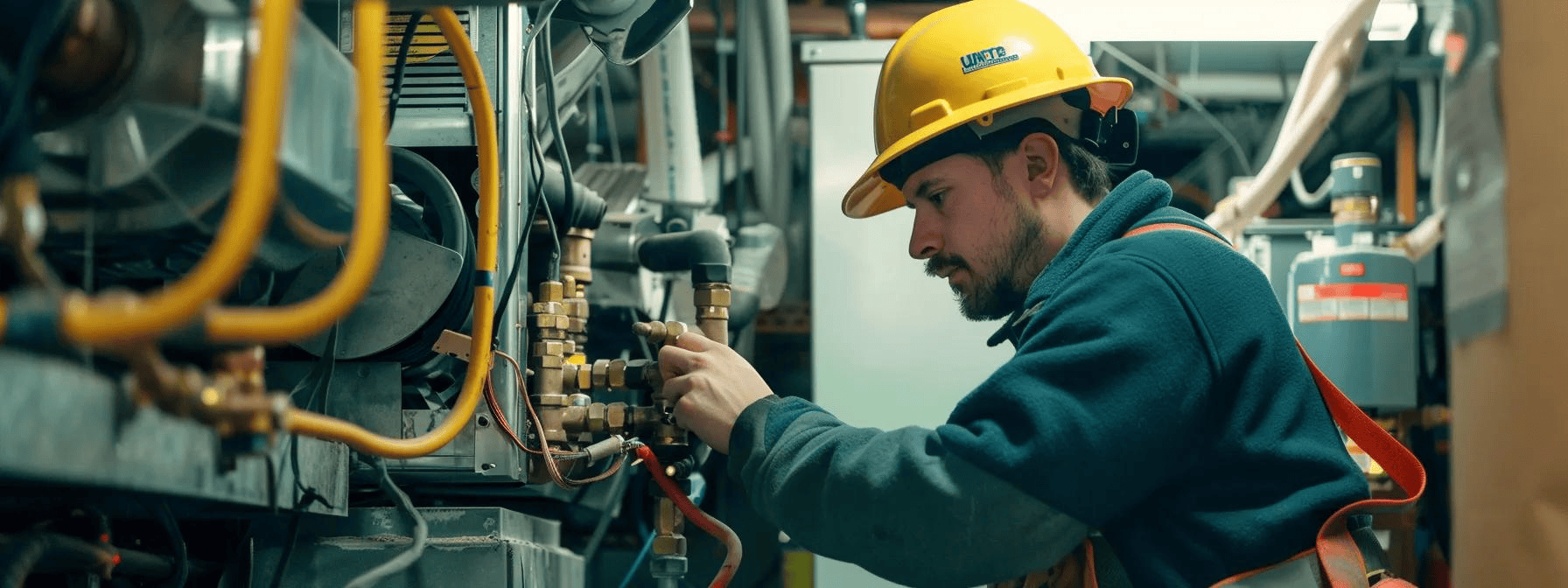
Removing an old furnace begins with shutting off fuel and electrical supplies and verifying zero current or gas flow at the appliance disconnects to prevent accidental ignition. Technicians then disconnect the flue or venting, detach duct connections, and remove the unit using proper rigging equipment and protective coverings to prevent damage to floors or walls. Responsible disposal typically follows local recycling and waste regulations, and many installers document serial numbers and disposal receipts as part of service records. Proper removal reduces risk and prepares the space for accurate measurements and placement of the new furnace.
Safe disconnection and responsible disposal clear the way for duct and vent updates that may be required during installation.
Installation Steps: Typical duration, tools, and safety checks
Below is a concise EAV table comparing common installation steps with typical durations and safety activities performed.
The table below summarizes each core installation step, the usual time allocation, and the primary safety checks technicians perform.
| Installation Step |
Typical Duration |
Safety / Checks Performed |
| Assessment & sizing |
30–60 minutes |
Manual J considerations, electrical and gas availability checked |
| Old furnace removal |
1–2 hours |
Fuel/electrical isolation, flue detachment, secure transport |
| Duct inspection/mods |
1–3 hours |
Airflow measurement, sealing, insulation checks |
| Gas/electrical/venting connection |
1–2 hours |
Leak testing, wiring verification, vent draft checks |
| Commissioning & testing |
30–90 minutes |
Airflow, static pressure, CO test, thermostat calibration |
This step comparison clarifies how time is allocated and why each safety check matters before household re-occupancy.
What Happens During Ductwork Inspection and Modification?
A ductwork inspection evaluates leakage, insulation, and sizing to ensure balanced airflow and efficient heat delivery across the home; leaks and undersized runs reduce system AFUE and elevate energy costs. Technicians use tools such as pressure pan tests and static pressure gauges to quantify performance and identify where sealing, insulation, or panel replacement is necessary. Common fixes include sealing seams with mastic, adding insulation to exposed runs, and modifying takeoffs to balance airflow for zones. Addressing duct issues during installation maximizes the value of a new high-efficiency furnace by ensuring the system can deliver design BTUs to occupied spaces.
Fixing duct defects during installation reduces rebalance visits and supports the furnace’s rated performance after commissioning.
How Is the New Furnace Installed and Connected to Gas, Electrical, and Venting Systems?
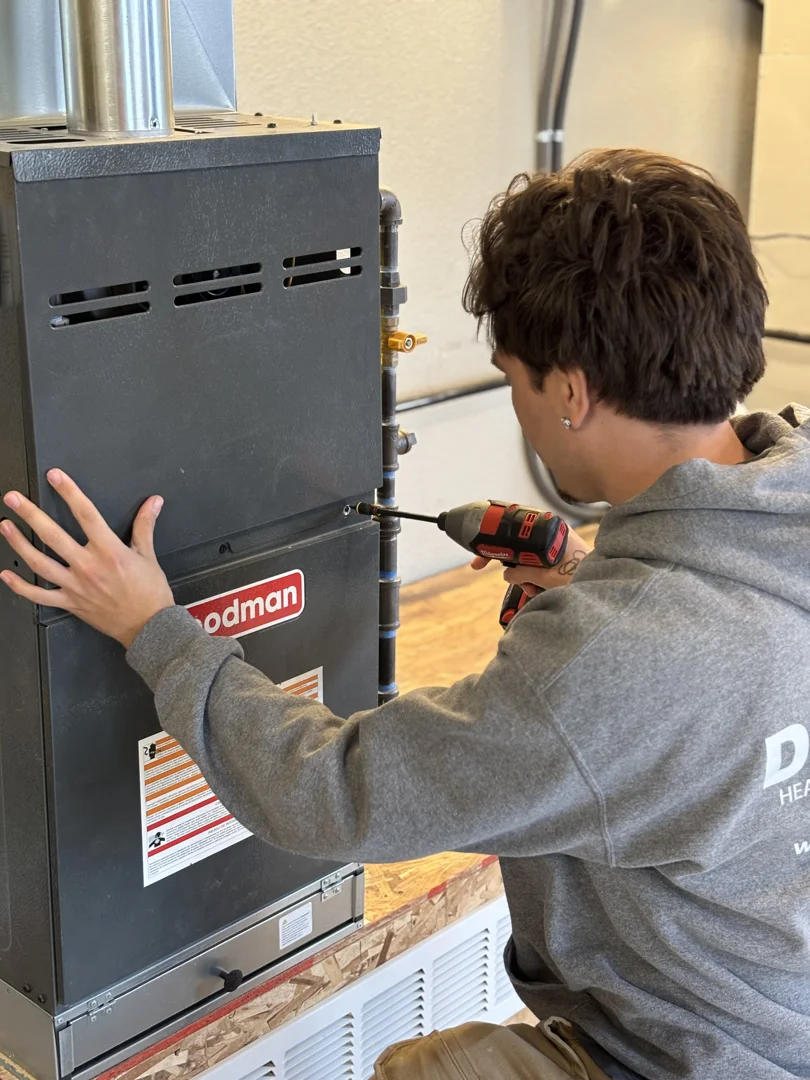
New furnace installation follows a strict sequence: position and secure the cabinet, connect the fuel supply (gas or propane) with approved fittings, wire electrical controls to code, and verify venting and combustion air paths meet manufacturer and local code requirements. Technicians perform gas leak testing and pressure checks, test electrical circuits and safety interlocks, and confirm vent draft and clearance distances to prevent hazardous back-drafting. For electric furnaces, attention focuses on correct breaker size and disconnects, while high-efficiency gas furnaces require condensate drainage and proper flue configuration. Licensed professionals document tests and may coordinate inspections with local authorities before final sign-off.
These mechanical and safety connections ensure the system operates reliably and meet regulatory and manufacturer requirements for warranty coverage.
How Do Technicians Install and Configure Your Thermostat and Controls?
Technicians mount the thermostat in a representative living area, connect control wiring to the furnace control board, and configure system parameters including fan control, compressor lockouts, and zoning interfaces as needed. For smart thermostats, installers assist with network pairing, user account setup, and programming to recommended schedules that balance comfort and energy savings; they also demonstrate how to use features like remote access and energy reports. Zoning systems receive specific calibration to ensure dampers and thermostats communicate correctly, optimizing comfort distribution. Homeowner education on thermostat operation occurs during the final walkthrough so families understand routine adjustments and seasonal programming.
Correct thermostat installation and configuration maximize comfort and efficiency and reduce unnecessary service calls after commissioning.
What Testing and Commissioning Are Performed to Ensure Safety and Efficiency?
Commissioning tests confirm the furnace delivers rated BTU output safely and efficiently by measuring airflow, static pressure, gas pressure, electrical draw, and carbon monoxide levels; these tests validate installation quality and protect occupants. Technicians document measured values against manufacturer specifications and adjust gas pressure, burner modulation, and blower speed to match system needs and duct characteristics. A final homeowner walkthrough covers control operation, filter types and replacement intervals, and where to find service documentation so owners can maintain warranty compliance. Delta T Heating & Cooling emphasizes licensed professional engineers on commissioning teams, using formal checklists and quality assurance protocols to minimize callbacks and ensure each system meets safety and performance standards.
Thorough testing and a clear homeowner walkthrough establish operational confidence and create a record for warranty and future maintenance.
What Factors Influence the Furnace Installation Timeline?
Several variables influence how long an installation will take, including whether the project is a straight swap or involves ductwork, the need for new venting or condensate lines on high-efficiency units, local permit or inspection turnaround, and whether additional trades (electrician, plumber) are needed. Equipment availability is another key variable; if a specific model is not in stock, scheduling shifts to accommodate delivery can add days or weeks. Home access and site preparation—such as clearing narrow stairways or driveways—also affect labor time and may require additional crew or equipment. Understanding these factors in advance helps homeowners set realistic expectations and prepare logistical support that shortens the time technicians need on site.
Anticipating these variables and preparing accordingly helps the installation proceed smoothly and reduces the chance of multi-day disruptions.
How Does Delta T Heating & Cooling Ensure Efficient and Thorough Installation?
Delta T Heating & Cooling reduces delays through pre-installation planning, experienced crews, and engineering oversight that aligns equipment selection with measured home load and duct performance. Licensed professional engineers review complex installs and support field technicians with specifications and commissioning targets, ensuring installations meet safety standards and manufacturer requirements. The company’s approach includes checklists for pre-visit assessments, documented commissioning, and clear homeowner communication about timeline expectations and any additional work identified during inspection. These practices help ensure installations are efficient while maintaining a focus on quality and long-term reliability.
A coordinated engineering and field approach minimizes surprises and helps installations finish on schedule without sacrificing safety or performance.
What Influences the Cost of Furnace Installation in Kansas City?
Local labor rates, permit fees, home size, and the condition of existing ductwork are principal regional influences on installation cost in Kansas City and surrounding areas such as Basehor, Mission, and Prairie Village. Selecting a higher-efficiency furnace can increase upfront equipment cost but typically lowers operating costs over time through reduced fuel use; homeowners should weigh long-term savings when comparing estimates. Access, such as whether the installer must work through tight crawl spaces or haul equipment up stairs, increases labor time and therefore price. Requesting detailed line-item estimates helps homeowners compare proposals and evaluate tradeoffs between upfront cost and expected long-term performance.
Comparing itemized estimates and factoring expected energy savings from higher AFUE models helps homeowners identify the best long-term value for their home.
How Can You Finance Your Furnace Installation with Delta T?
Financing can make higher-efficiency choices more accessible by converting lump-sum installation costs into manageable monthly payments; Delta T Heating & Cooling partners with Service Finance to provide financing options that integrate with the installation quote process. Customers can request a custom estimate that includes potential monthly payment examples based on selected equipment and financing terms, which helps compare immediate outlay versus long-term savings. Financing approval processes typically require a credit check and simple documentation; Delta T’s team can explain available plans during quote discussions and include financing paperwork as part of the installation workflow to accelerate scheduling. If you want to explore monthly payment options or get a tailored estimate, request a service quote or book a consultation to see specific financing examples tied to your home and equipment choices.
Financing availability lets homeowners choose higher-efficiency equipment while managing cash flow, and getting a tailored estimate clarifies monthly payment amounts versus outright purchase costs.
What Should You Know About Post-Installation Furnace Care and Maintenance?
Proper post-installation care ensures safety, maintains efficiency, and preserves warranty coverage; it includes routine filter replacement, annual tune-ups, and timely repairs based on observed performance. Regular maintenance reduces the risk of unexpected failures, sustains AFUE performance, and ensures combustion safety through periodic checks such as carbon monoxide monitoring and combustion analysis. Understanding the distinction between manufacturer warranty (covers parts) and service or labor warranties (covers installer workmanship) helps homeowners know where to direct post-installation concerns. The following subsections explain operation best practices, warranty support mechanisms, and the benefits of annual maintenance plans.
How Do You Operate Your New Furnace for Efficiency and Longevity?
Operating your new furnace efficiently involves selecting appropriate thermostat schedules, changing filters on the manufacturer-recommended cadence, and observing system behavior for unusual noises or cycling patterns. High-efficiency units and smart thermostats provide opportunities for energy savings through setback schedules and adaptive learning features; programming for comfort during occupancy and setback during absence reduces fuel usage. For airflow health, replace or clean filters according to type—pleated or washable—and ensure return vents remain unobstructed to prevent pressure imbalances that can stress the system. Regular homeowner monitoring and timely filter changes support long-term efficiency and reduce the likelihood of premature component failure.
Consistent operational habits and proactive monitoring help the furnace maintain rated performance across seasons and reduce service needs.
Conclusion
Understanding the furnace installation process empowers Kansas City homeowners to make informed decisions, ensuring safety, efficiency, and long-term performance. By preparing adequately and knowing what to expect, you can minimize disruptions and enhance the overall experience of your new heating system. Explore our financing options and tailored estimates to find the best fit for your needs. Take the next step towards a comfortable home by contacting us today for your furnace installation needs.


.webp)